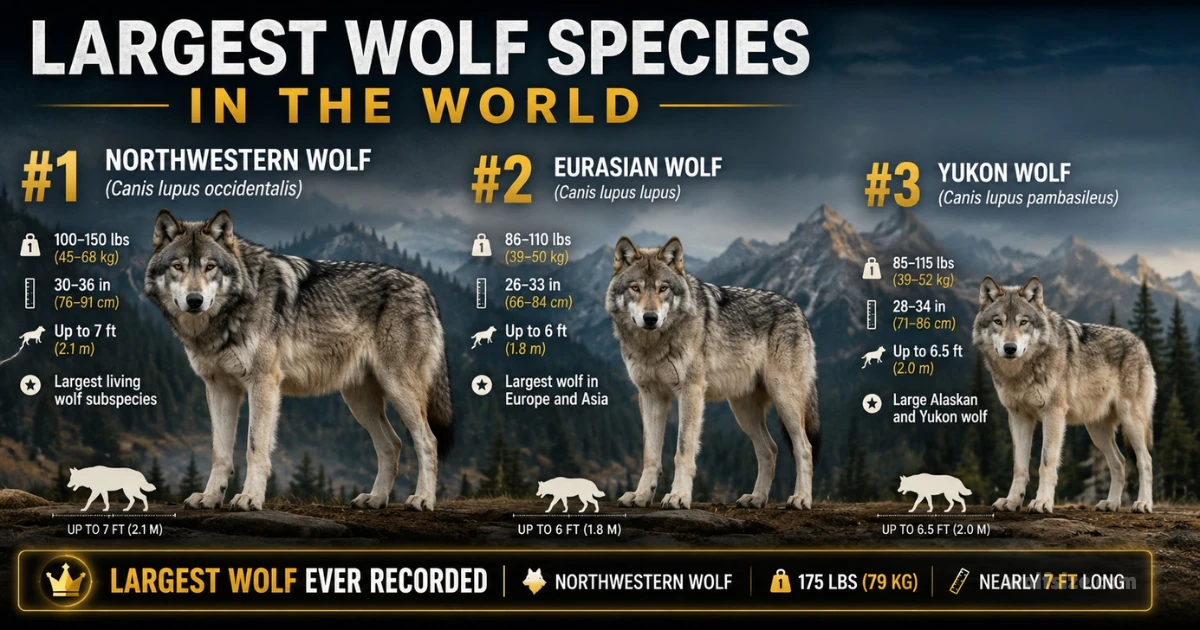
The largest wolf species in the world is the Northwestern wolf (Canis lupus occidentalis), also known as the Mackenzie Valley wolf or Canadian timber wolf. Adult males typically weigh 100–150 pounds (45–68 kg), while the largest recorded individuals have reached 175 pounds (79 kg) and measured nearly 7 feet (2.1 m) long, making them the biggest living wolves on Earth.
Wolves are the largest members of the canid family, bigger than coyotes, foxes, and most domestic dogs. But not all wolves are the same size. Some weigh under 50 pounds. Others top 175 pounds and stretch nearly 7 feet long.
This guide ranks the largest wolf species in the world, using real weight and length data.
The Biggest Wolves in the World, Ranked
Here is how the largest wolf species in the world stack up, based on documented weight and length.
Italian Wolf
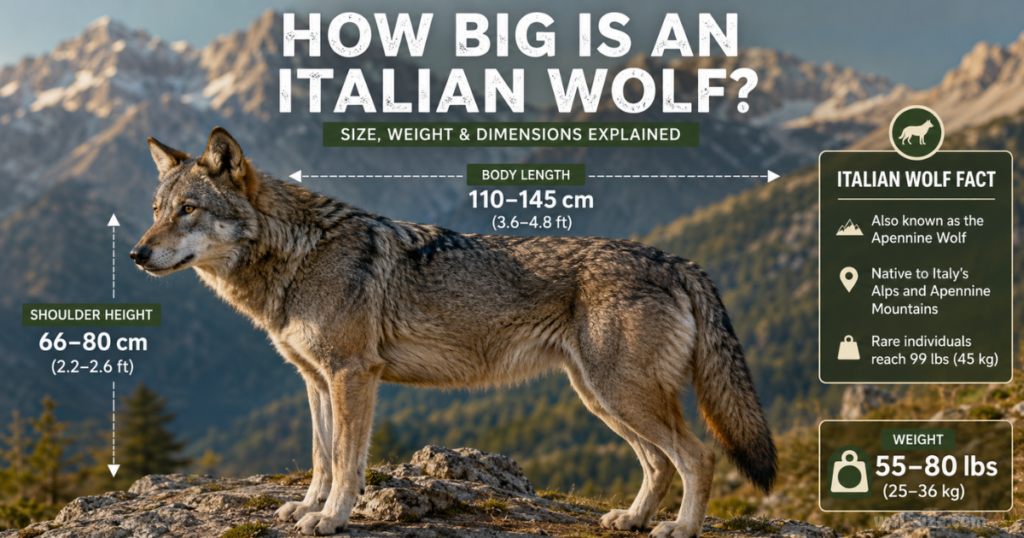
The Italian wolf, also called the Apennine wolf, lives in the Western Alps and Apennine Mountains. Adult males weigh 55 to 80 pounds, with rare individuals reaching 99 pounds. They measure up to 4.8 feet long and stand 2.6 feet tall at the shoulder.
This subspecies nearly vanished in the 1970s, dropping to just 70-100 wolves. Legal protection helped the population recover, and Italian wolves remain a smaller but resilient gray wolf subspecies today.
Iberian Wolf
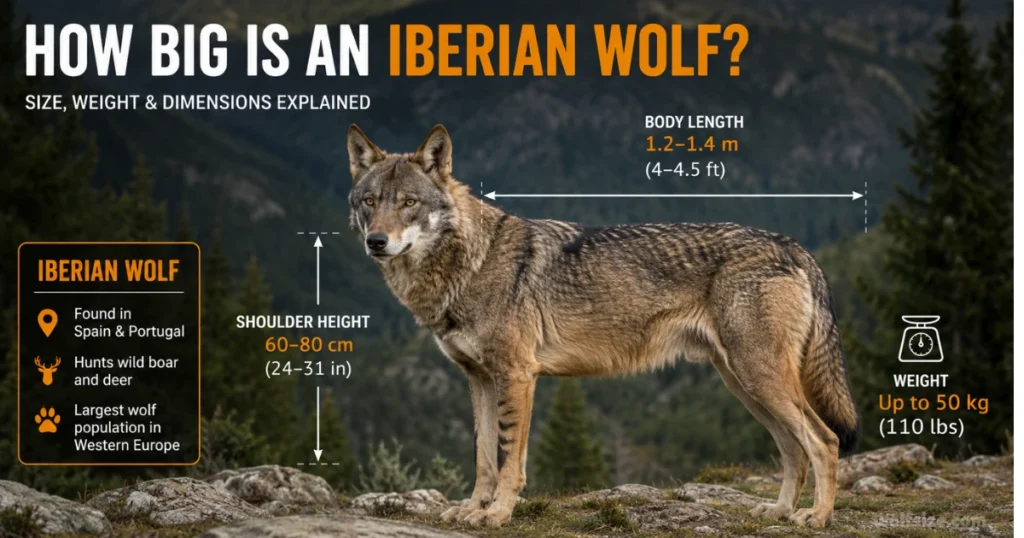
Found in northwestern Spain and Portugal, the Iberian wolf weighs up to 110 pounds and reaches 4.5 feet in length. Its coat changes color with the seasons — lighter in summer, darker in winter — and it carries distinctive dark stripes down the front legs.
Iberian wolves prefer wooded mountain terrain, hunting wild boar and deer. They were wiped out in France by the 1940s but have since recolonized parts of the Pyrenees and Massif Central.
Himalayan Wolf
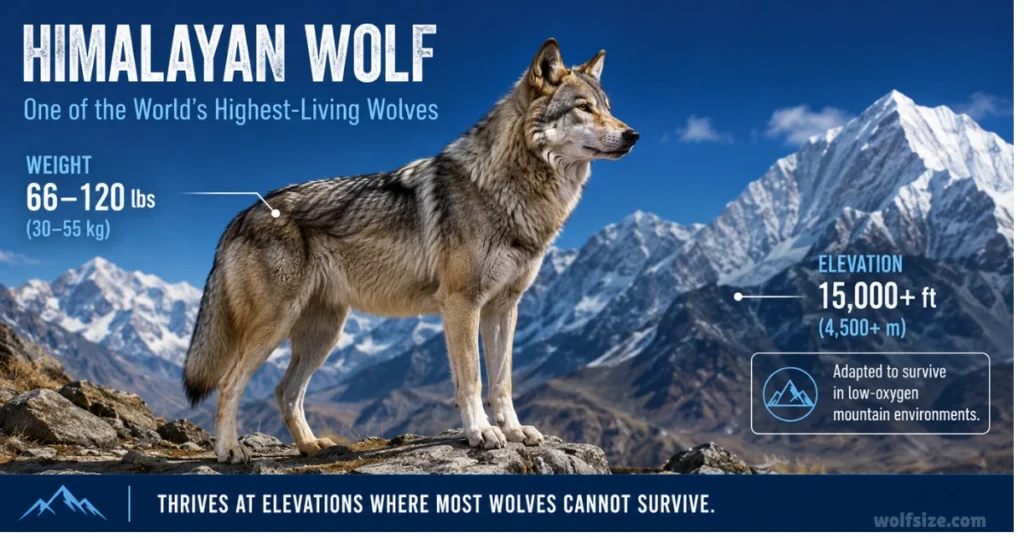
The Himalayan wolf survives at elevations above 15,000 feet on the Tibetan Plateau. It weighs between 66 and 120 pounds and has evolved a unique genetic adaptation that lets it function on far less oxygen than lowland wolves.
More Posts:Northwestern Wolf Size: How Big Is the World’s Largest Gray Wolf Subspecies? 2026
Tundra Wolf
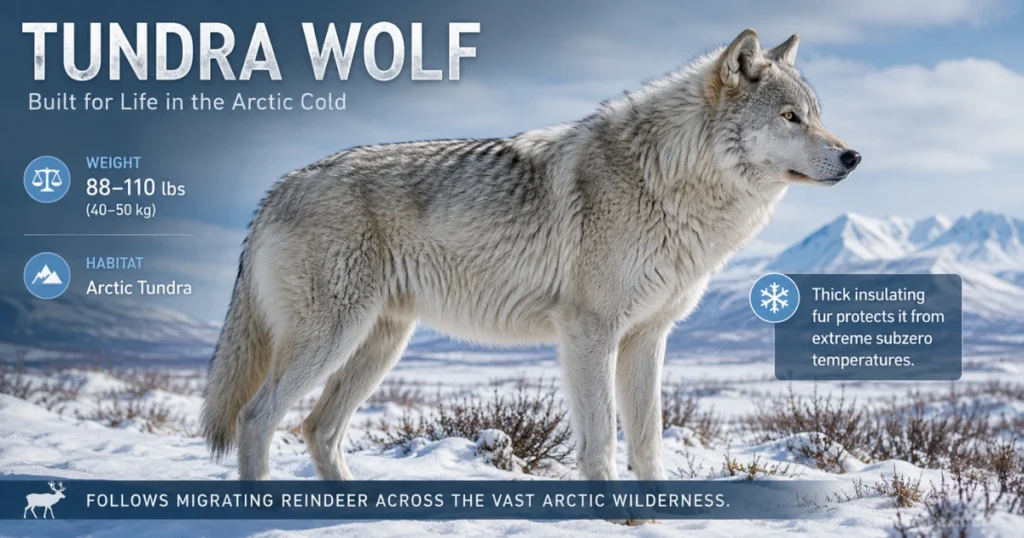
Built for the frozen plains of Russia, Finland, and Norway, the tundra wolf weighs 88 to 110 pounds. Thick, insulating fur — lighter on top, darker underneath — protects it from extreme subzero temperatures.
Tundra wolves follow migrating reindeer herds across vast, open terrain, switching to Arctic foxes and hares when reindeer are scarce.
Arctic Wolf
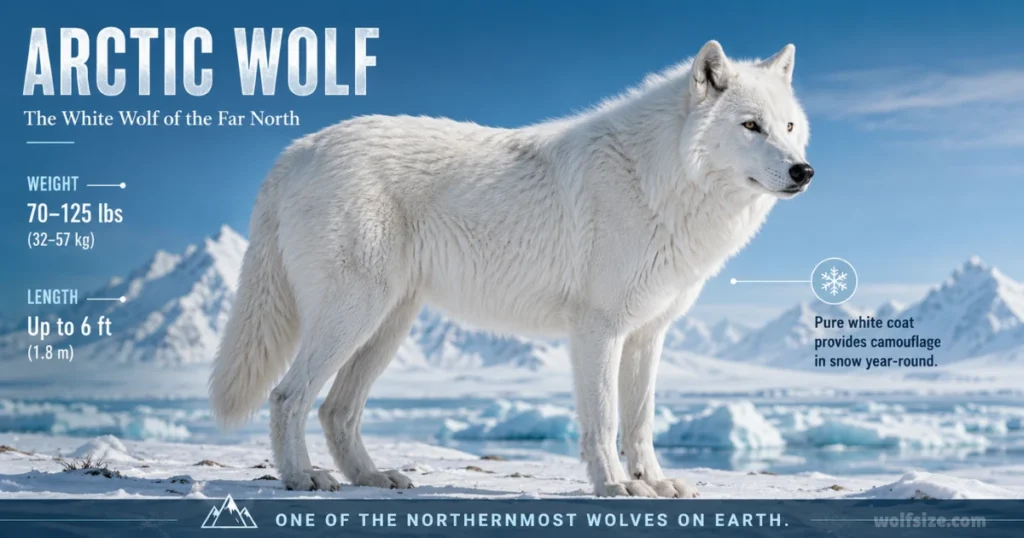
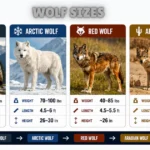
The Arctic wolf, sometimes called the polar wolf, roams Greenland and the northernmost reaches of Canada. It weighs 70 to 125 pounds and can grow up to 6 feet long. Its bright white coat provides camouflage against snow year-round, not just in winter.
Because Arctic wolves rarely encounter humans, they show less fear of people than wolves living closer to populated areas — a behavioral trait field researchers have documented repeatedly.
Great Plains Wolf
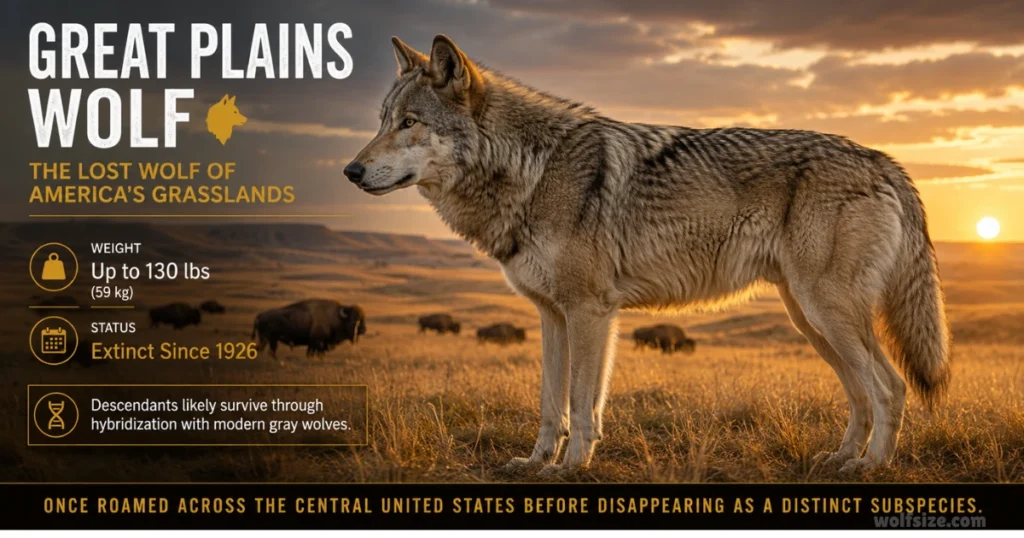
Once native across the central United States, the Great Plains wolf is considered extinct as a distinct subspecies since 1926. Descendants likely survive through hybridization with Eastern gray wolves in the Great Lakes region.
Modern wolves carrying this lineage weigh around 110 pounds on average, with some individuals reaching 130 pounds. Diet varies by location — bison and elk out west, deer and moose further north.
Northern Rocky Mountain Wolf
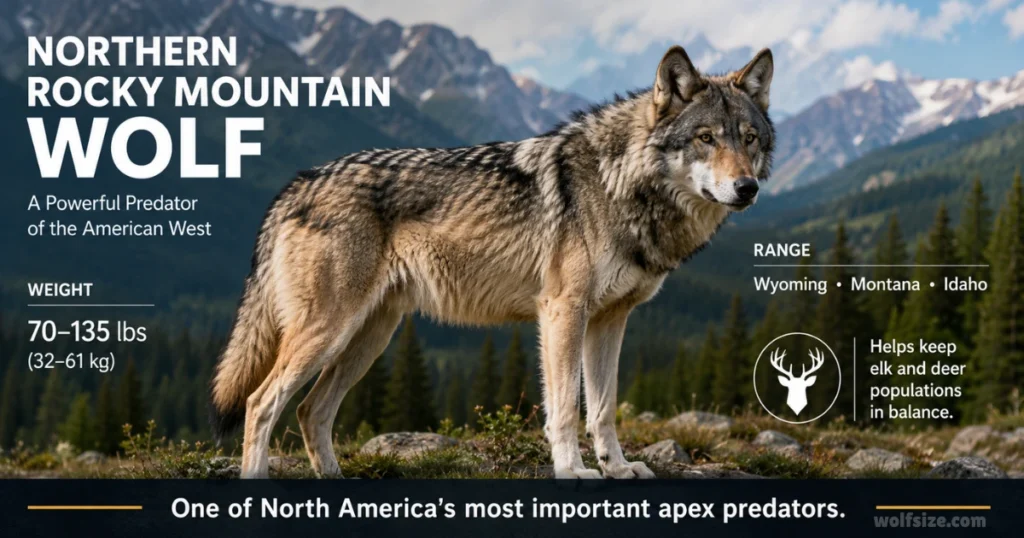
This subspecies roams Wyoming, Montana, Idaho, and Alberta, weighing 70 to 135 pounds. It’s a key apex predator in Yellowstone National Park, where it helps control elk and deer populations that would otherwise overgraze the landscape.
Unlike most gray wolves in the contiguous U.S., the Northern Rocky Mountain wolf population has faced a complicated legal history regarding Endangered Species Act protections.
Yukon Wolf
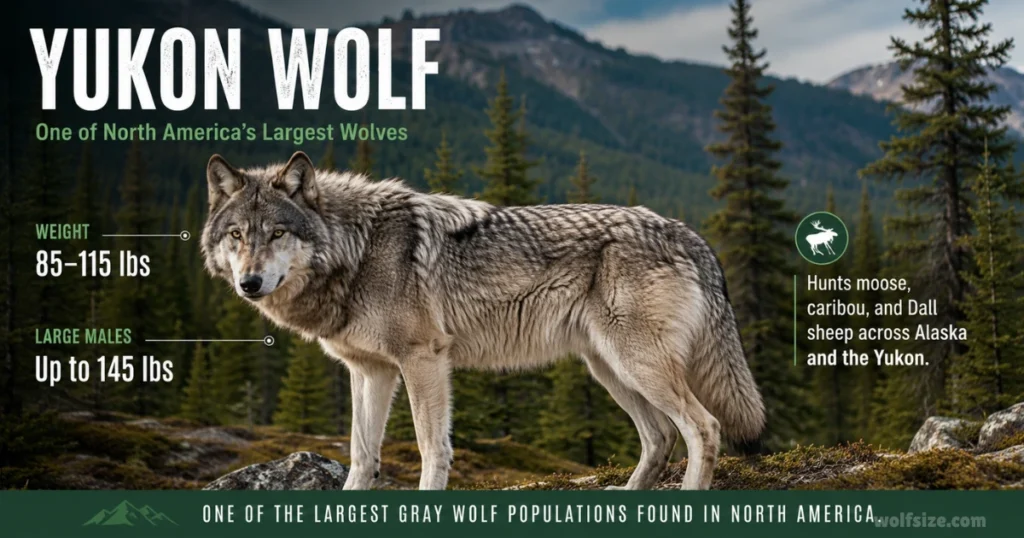
Also called the interior Alaskan wolf, this subspecies inhabits Alaska’s interior, the Yukon, and parts of British Columbia. It typically weighs 85 to 115 pounds, though some individuals reach 145 pounds. Coats range from black to white, gray, or tawny.
Yukon wolves hunt moose, caribou, and Dall sheep across boreal forest terrain, supplementing their diet with smaller prey like ground squirrels when larger game is scarce.
Eurasian Wolf
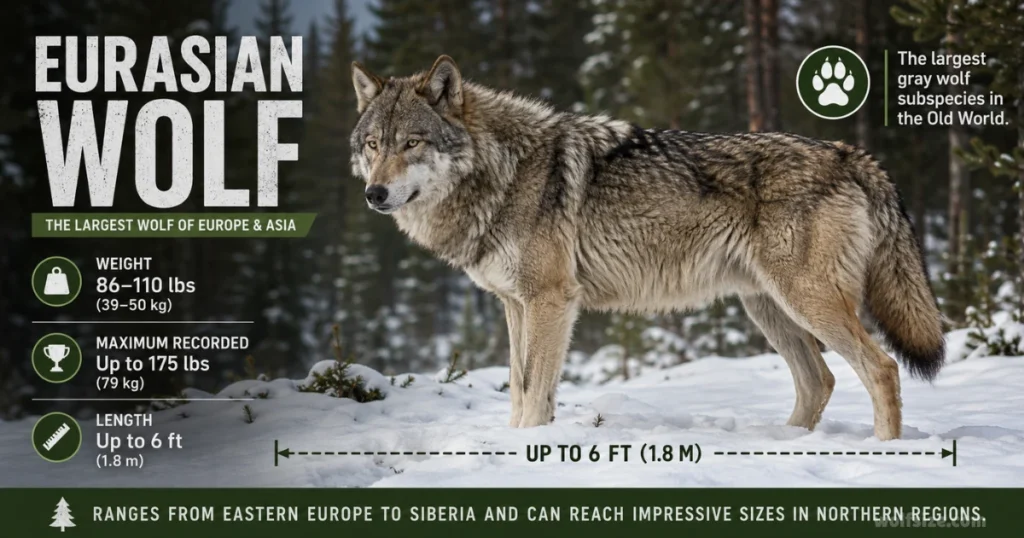
Known as the largest gray wolf subspecies in the Old World, the Eurasian wolf typically weighs 86 to 110 pounds, with exceptional individuals documented at up to 175 pounds. It grows up to 6 feet long and ranges across forests from Eastern Europe to Siberia.
This subspecies carries deep cultural weight, appearing throughout European folklore and mythology for centuries. Conservation bans on hunting, like Poland’s 1990s policy, have helped populations rebound.
Northwestern Wolf
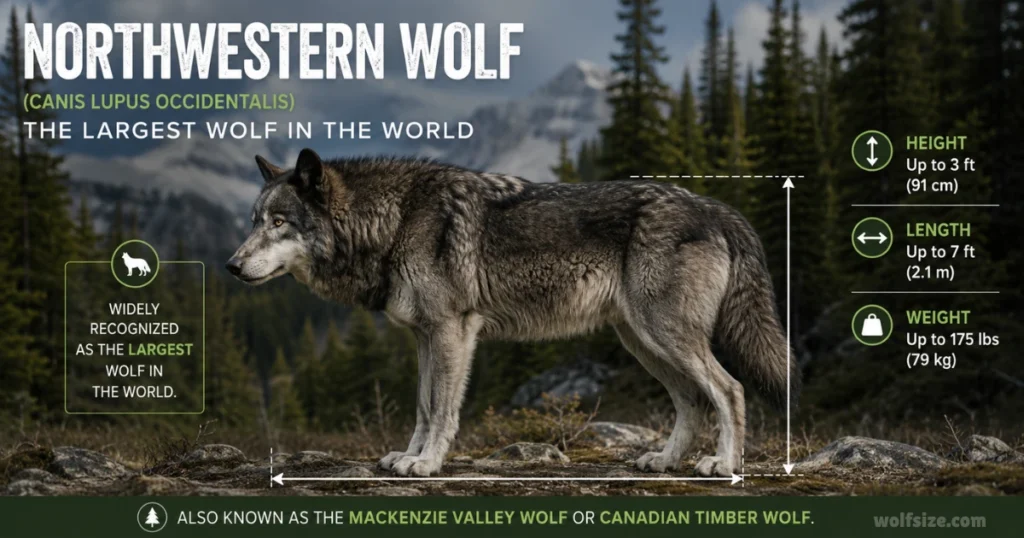
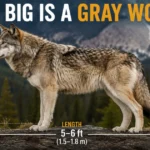
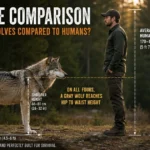
The northwestern wolf (Canis lupus occidentalis) — also known as the Mackenzie Valley wolf or Canadian timber wolf — is widely recognized as the largest wolf species in the world. It stands 3 feet tall, stretches up to 7 feet long, and typically weighs up to 150 pounds, with documented individuals reaching 175 pounds.
Its bite force is strong enough to crack a moose’s femur bone. Northwestern wolves hunt in cooperative packs, taking down moose, bison, elk, and caribou. Coat color varies by region, ranging from white and gray to solid black.
Was the Dire Wolf Bigger Than Any Wolf Alive Today?
The dire wolf (Canis dirus) often gets mistaken for an ancestor of the modern gray wolf. It wasn’t. Dire wolves belonged to a separate lineage that split from wolves and dogs hundreds of thousands of years ago, and recent genetic research confirms the two species aren’t closely related at all.
Dire wolves weighed up to 150 to 200 pounds and roamed North and South America during the Late Pleistocene epoch, hunting megafauna like ancient bison and ground sloths. They went extinct roughly 10,000 years ago, likely due to the disappearance of their large prey at the end of the last Ice Age.
So while dire wolves were heavier and more robust than any living wolf, they aren’t the same animal — and they’re not the ancestor of today’s gray wolf subspecies, despite popular belief fueled by recent headlines about dire wolf “de-extinction” attempts.
More Posts:Biggest Wolf Ever Recorded: Facts, Measurements & History 2026
How Experts Rank the Biggest Wolves
Size rankings for the largest wolf species rely on three measurements: body weight, total length (nose to tail), and shoulder height.
Average weight tells you what a typical adult wolf weighs in its home range. Maximum recorded weight captures outlier individuals — the giants that make headlines. Both numbers matter, because a species with a high average isn’t always the one that produces record-breaking outliers.
The gray wolf (Canis lupus). Gray wolves split into dozens of subspecies across North America, Europe, and Asia. Body size shifts based on climate, prey size, and geography — a pattern biologists call Bergmann’s Rule, where animals in colder regions tend to grow larger bodies to conserve heat.
FAQs About the Largest Wolf Species in the World
What Is the Largest Wolf Species in the World?
The northwestern wolf, also called the Mackenzie Valley wolf, is the largest living wolf subspecies. It can weigh up to 175 pounds (79 kg) and grow nearly 7 feet (2.1 m) long.
How Much Does the Biggest Wolf Weigh?
The heaviest documented northwestern wolves weigh around 175 pounds (79 kg). Average adult males typically weigh between 100 and 150 pounds (45–68 kg).
Are Alaskan Wolves Bigger Than Arctic Wolves?
Yes. The Yukon wolf (interior Alaskan wolf) can reach up to 145 pounds (66 kg), while Arctic wolves typically average between 70 and 125 pounds (32–57 kg).
Is the Dire Wolf Bigger Than the Gray Wolf?
Yes. Dire wolves weighed up to 200 pounds (91 kg), making them heavier than any living gray wolf subspecies. They became extinct around 10,000 years ago.
Can a Wolf Be Bigger Than a Dog?
Usually, yes—but not always. Some giant dog breeds, such as the English Mastiff, can outweigh even the largest wild wolves.
What Is the Largest Wolf Ever Recorded?
Among living wolves, the largest confirmed weight belongs to the northwestern wolf at roughly 175 pounds (79 kg). The extinct dire wolf was larger still, reaching up to 200 pounds (91 kg).

Robert Taylor is a content researcher and writer specializing in dimensions, measurements, and size comparison guides. He creates clear, practical content that helps readers understand real-world sizes and measurements with confidence. His work focuses on delivering accurate, easy-to-use dimension information in both U.S. and metric units.